THE TAKEAWAY
Check visibility while parked, before bad weather turns a small annoyance into an urgent problem.
Describe the view, not a replacement part
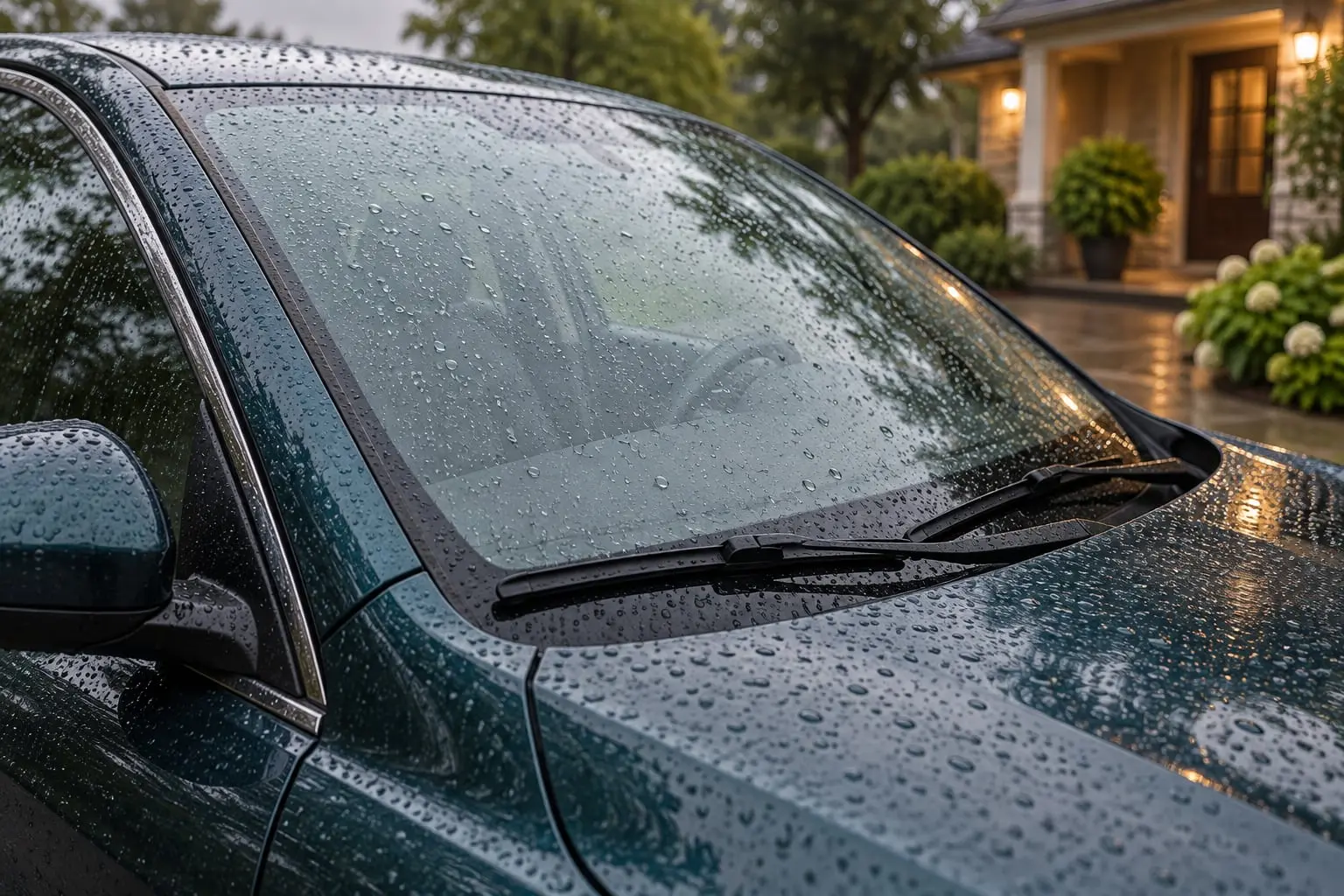
A smeared windshield is frustrating, but a useful service request starts with the observation. Is the mark outside the glass, is there fog inside, or is one area left uncleared after the wipers pass? Write down what you notice while the vehicle is safely parked. Note whether it happens only in light rain, after using the washer, or when the cabin first warms up. That description gives a technician a clearer starting point than simply asking for new blades.
Learn the controls on a dry day
Take a few quiet minutes to find the front and rear wiper controls, washer switch and windshield-defogging setting in your owner's manual. Some cars combine functions on one stalk; others put them in a screen menu. Practice locating them while stationary rather than searching during a shower. If another person regularly drives the car, show them the same controls. The goal is familiarity, not memorizing every climate setting or testing the system while your attention belongs on traffic.
Use a small visibility checklist
NHTSA advises checking that wipers and defrosters work and replacing worn blades. Its winter guidance also calls for washer fluid suitable for freezing conditions. Match products and procedures to the vehicle manual and your climate. Do not force a stuck wiper or improvise a fluid mixture. A shop can help identify the right blade fitting or a washer problem. Keep the check focused on whether the equipment works rather than assuming every smear has the same cause.
- Can I find the washer and defogging controls without guessing?
- Is the concern outside the glass or inside the cabin?
- Does the rear window need attention too?
- Have I recorded exactly when the problem appears?
Give the shop a repeatable description
If cleaning and the manual's normal operating steps do not resolve the concern, book an assessment. Describe one example from start to finish: the weather, the setting you used and what remained on the glass. A photo taken while safely parked may help, but there is no need to recreate a dangerous situation for a video. Ask what the shop could reproduce and whether anything remains uncertain. Save the response so you can compare it with your next parked check.
Know when the journey can wait
Working equipment is only part of visibility; conditions can still become unsuitable for a trip. Do not continue just because the wipers are running if you cannot see the road clearly. When possible, delay departure rather than trying to troubleshoot in bad weather. If visibility deteriorates while traveling, prioritize reaching a safe place out of traffic instead of adjusting settings or filming the problem. A clean service note can wait. A clear view and a safe place to stop cannot.
- Handle checks and photos while stationary in a safe location.
- Arrange professional help for persistent or unclear problems.